Advanced Treatment of Coronary Artery Disease: Beyond Stents and Bypass Surgery
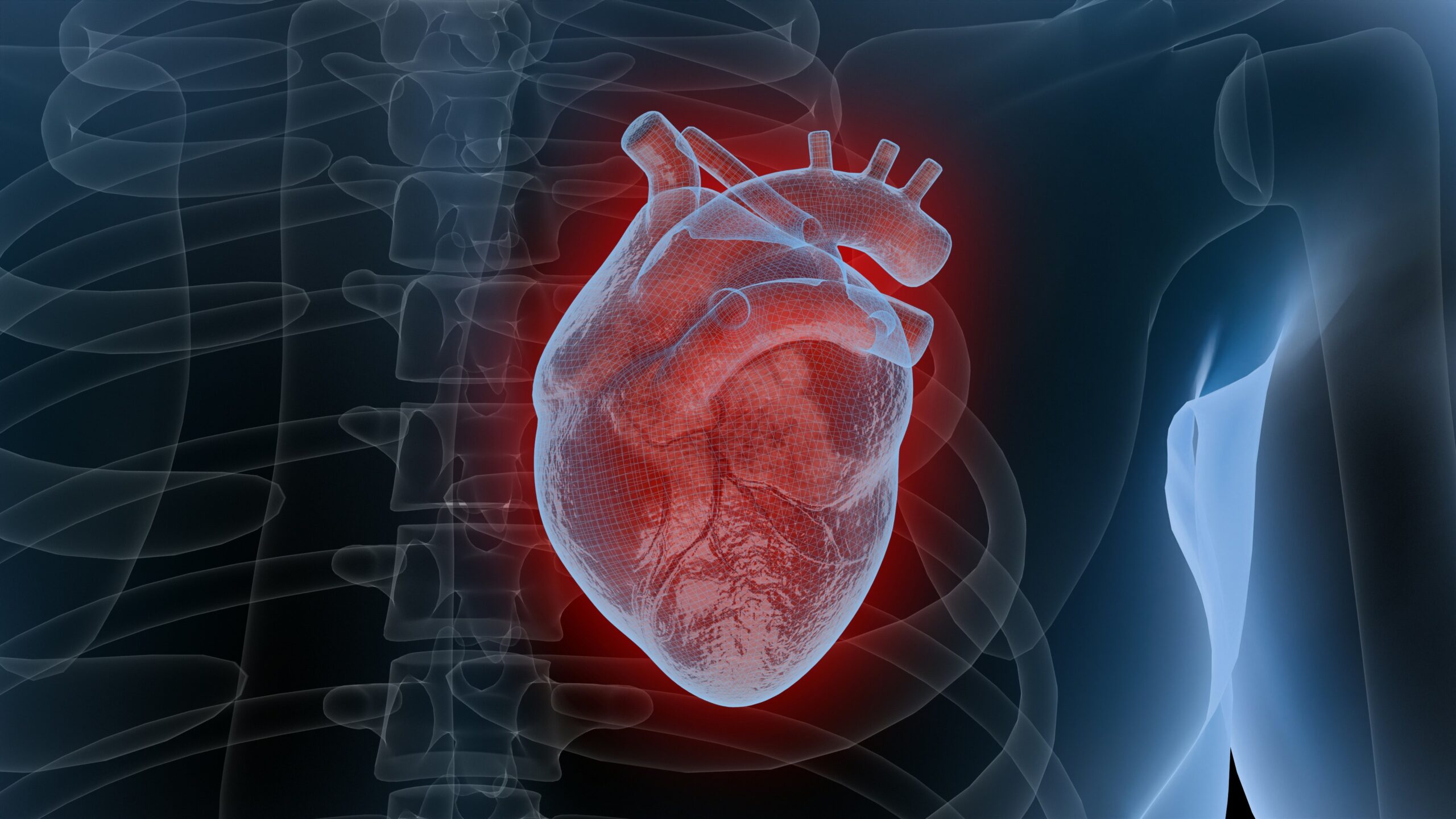
Coronary artery disease remains one of the most challenging cardiovascular conditions in the United States. Many people receive stents or undergo bypass surgery when plaque blocks major arteries. These procedures save lives, and they continue to play a central role in treatment. Even so, modern cardiology now moves far beyond these long-standing options. Today’s clinicians use precision medicine, advanced imaging, robotics, regenerative therapies, and metabolic approaches to reshape how they manage this complex disease. As new science emerges, patients gain access to safer, more accurate, and more personalized treatment paths.
Coronary artery disease develops when plaque builds inside the coronary arteries. When these vessels narrow, blood struggles to reach the heart muscle. This imbalance can trigger chest pain, shortness of breath, or a heart attack. Because the condition affects millions of adults, experts continually refine methods for diagnosing and treating it. As a result, the field continues to evolve, and cutting-edge strategies now offer hope to patients who previously had limited choices. Although stents and bypass surgery remain excellent tools, clinicians increasingly turn to treatments that correct disease at a deeper biological level.
The Shift Toward Precision Diagnosis in Coronary Care
Diagnosis shapes every treatment plan. Until recently, physicians relied heavily on angiograms, stress tests, and symptoms to understand disease severity. These tools still matter, yet new imaging technologies now transform evaluation. With coronary CT angiography, specialists can produce detailed 3D pictures of the coronary arteries. This method allows earlier detection of soft plaque, which often causes trouble long before it hardens. As a result, physicians can intervene sooner and target the disease more effectively.
Further advances are emerging in technologies such as computed tomography and fractional flow reserve. This noninvasive tool measures how blockages reduce blood flow, helping cardiologists decide whether a patient needs immediate intervention or can succeed with a medical therapy plan. Because these techniques deliver more precise results, they allow physicians to avoid unnecessary procedures and guide patients toward the safest and most effective pathway.
Genetic testing also expands the diagnostic landscape. Clinicians use it to uncover inherited cholesterol disorders, inflammation markers, and metabolic risks. When specialists understand a patient’s unique profile, they can design a treatment strategy that relies on individualized science rather than a one-size-fits-all method.
Emerging Medications That Go Beyond Traditional Therapy
Medication remains a cornerstone of coronary artery disease treatment. Although statins continue to help millions, new classes of drugs now deliver stronger and more targeted effects. PCSK9 inhibitors, for example, dramatically reduce LDL cholesterol levels and support patients who cannot take high-dose statins. Because these drugs lower cholesterol more aggressively, they slow disease progression and reduce cardiac events.
Another significant advancement involves anti-inflammatory therapies. Researchers now understand that inflammation fuels plaque instability. Therefore, controlling inflammation can improve outcomes. Medications such as colchicine, once used mainly for gout, now show strong promise in reducing cardiovascular events. These treatments offer fresh hope to patients with recurring symptoms even after stents or surgery.
SGLT2 inhibitors, originally developed to treat diabetes, also deliver impressive cardiovascular benefits. These drugs improve metabolic health, reduce fluid buildup, and protect heart function. While they do not remove plaque, they strengthen the heart’s resilience and significantly reduce hospitalization rates for cardiac events.
Robotics and High-Precision Procedures Changing the Standard of Care
Although stents and bypass surgery remain vital procedures, technology now enhances their precision and safety. Robotic-assisted angioplasty provides physicians with greater control and improved visualization. Because the robotic system reduces radiation exposure and increases accuracy, patients benefit from smoother outcomes and fewer complications. This method also suits complex blockages that once required open surgery.
Another breakthrough procedure involves chronic total occlusion interventions. These blockages once posed significant challenges, but skilled operators now use advanced guidewires, imaging tools, and microcatheters to open arteries once considered impossible to treat. With these new methods, patients gain options that did not exist only a decade ago.
For some individuals, bypass surgery remains the best option. Even so, minimally invasive robotic-assisted bypass now enables smaller incisions, faster recovery, and reduced discomfort. As techniques evolve, these procedures become safer and more accessible to a broader group of patients.
Regenerative and Cellular Therapies Offering New Hope
Researchers now explore the possibility of repairing heart tissue rather than simply improving blood flow. Regenerative medicine aims to restore damaged myocardium using stem cells, gene therapy, and growth factors. While these treatments remain under development, early studies show meaningful improvements in heart function for some patients.
Stem cell therapy attempts to stimulate the growth of new, healthy heart tissue. Gene therapy, on the other hand, targets the biological processes that drive plaque formation, vessel inflammation, and cardiac deterioration. These approaches move medicine beyond symptom management toward addressing the root causes of disease. As trials continue, many experts believe regenerative therapies will become essential tools in cardiac care.
Lifestyle Medicine and Metabolic Approaches Strengthening Outcomes
Although technology plays a significant role, lifestyle medicine also stands at the center of advanced coronary care. Modern programs now use continuous glucose monitors, metabolic testing, and personalized nutrition strategies. These tools help patients understand how diet, stress, and sleep influence their cardiovascular health. Many individuals achieve dramatic improvements when they follow structured metabolic programs guided by specialists.
Cardiac rehabilitation also continues to evolve. High-intensity interval training, once considered risky, is now proven safe for many patients under supervision. Because structured exercise improves vessel function and strengthens the heart, it remains a core part of treatment.
Looking Ahead at the Future of Coronary Disease Management
Coronary artery disease treatment now extends far beyond stents and bypass surgery. As diagnostic tools become more precise and therapies become more individualized, patients gain access to safer, more effective solutions. Because these innovations address disease at multiple levels, they create a more complete approach to heart health. Precision medicine, robotics, regenerative science, and metabolic strategies work together to deliver a future where coronary disease becomes more manageable and far less devastating.
As research continues, patients can expect treatment plans that respond to their unique biology rather than generalized guidelines. With each advancement, cardiology moves closer to a world where early intervention and targeted therapy redefine heart disease prevention and care.
Additional Information
- Blogs
- regenerative science, regenerative therapies, robotic system
- Nishi Patel