Cardiac Resynchronization Therapy (CRT): Innovations in Treating Electrical Dysfunction
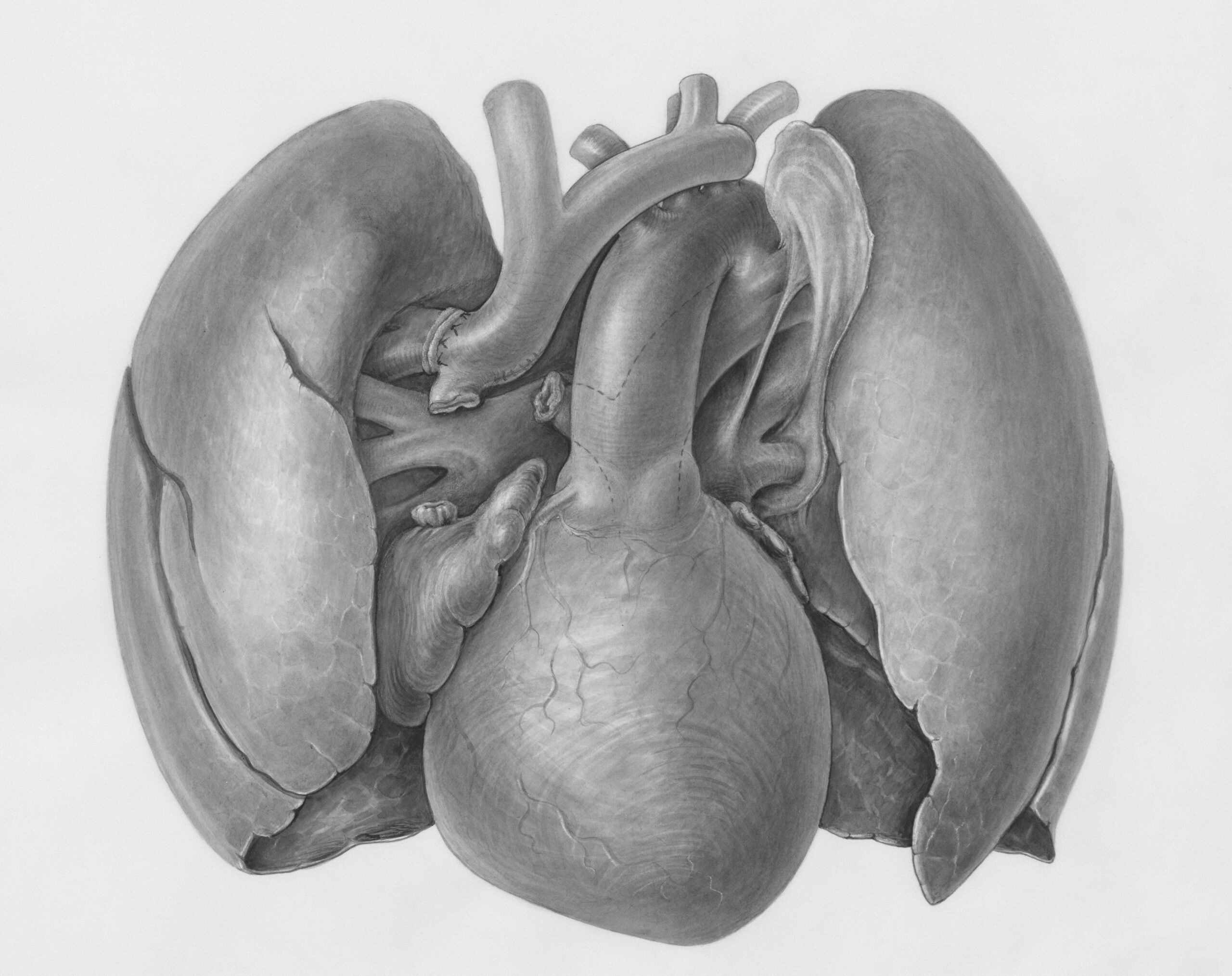
Cardiac resynchronization therapy continues to transform how cardiologists treat electrical dysfunction in the heart. Physicians once relied mainly on medications and lifestyle changes to manage heart failure symptoms. However, modern cardiology now integrates device-based treatments that restore coordinated heart contractions. Cardiac resynchronization therapy stands among the most important innovations in this field.
The therapy targets patients whose hearts struggle with electrical timing problems. When the electrical signals inside the heart lose coordination, the ventricles fail to contract together. As a result, the heart pumps blood less efficiently. Over time, patients experience fatigue, breathing difficulties, and declining cardiovascular function.
Fortunately, cardiac resynchronization therapy directly addresses this problem. The treatment restores synchronized contractions through carefully timed electrical stimulation. Consequently, many patients experience improved heart performance, better physical endurance, and fewer hospitalizations.
Understanding Electrical Dysfunction in the Heart
The heart relies on a highly organized electrical system that controls every heartbeat. Normally, electrical impulses travel from the sinoatrial node through specialized conduction pathways. These signals trigger coordinated contraction in the atria and ventricles.
However, electrical dysfunction disrupts this natural sequence. For instance, conditions such as left bundle branch block delay the signal that activates the left ventricle. Because of this delay, the right ventricle contracts before the left ventricle. This imbalance causes mechanical inefficiency in the pumping process.
Consequently, the heart must work harder to circulate blood throughout the body. Over time, this strain contributes to worsening heart failure symptoms. Patients often develop reduced exercise tolerance, fluid retention, and fatigue.
Therefore, cardiologists now look closely at electrical patterns when evaluating heart failure. Electrocardiograms reveal abnormal conduction patterns that signal potential benefit from cardiac resynchronization therapy.
How Cardiac Resynchronization Therapy Works
Cardiac resynchronization therapy uses a specialized pacemaker device that coordinates ventricular contractions. The device contains leads that deliver electrical impulses to both ventricles.
During the procedure, physicians place one lead in the right atrium, another in the right ventricle, and a third lead through the coronary sinus to stimulate the left ventricle. This arrangement allows the device to activate both ventricles simultaneously.
Once the device begins pacing, the ventricles contract in a synchronized manner. As a result, the heart pumps blood more efficiently with each beat. In addition, improved coordination reduces strain on the weakened heart muscle.
Patients often notice improvements within months of receiving the device. Many experience reduced shortness of breath and increased physical stamina. Furthermore, CRT can slow the progression of heart failure in many individuals.
Candidates for Cardiac Resynchronization Therapy
Not every heart failure patient requires cardiac resynchronization therapy. Instead, cardiologists evaluate specific clinical and electrical criteria before recommending the treatment.
Patients who benefit most usually have moderate to severe heart failure symptoms despite optimal medical therapy. In addition, physicians look for evidence of electrical conduction delay on the electrocardiogram. A prolonged QRS duration often indicates ventricular dyssynchrony.
Furthermore, imaging tests help determine whether the heart muscle still has enough functional potential to respond to therapy. Echocardiography often shows reduced ejection fraction in candidates for CRT.
Therefore, physicians carefully assess each patient before implantation. This evaluation ensures that the therapy delivers meaningful clinical improvement.
Benefits of CRT for Heart Failure Patients
Cardiac resynchronization therapy provides several important clinical benefits for patients with electrical dysfunction. First, the therapy improves the efficiency of heart contractions. As a result, blood circulation becomes more effective throughout the body.
Second, patients often experience noticeable symptom relief. Many report improved breathing during physical activity. Moreover, energy levels frequently increase as circulation improves.
Third, CRT can reduce hospital admissions related to worsening heart failure. Because the therapy improves cardiac performance, patients maintain better stability over time.
In addition, many studies show improved survival among appropriate candidates. These outcomes highlight the importance of early identification and treatment of electrical dysfunction.
Innovations in CRT Technology
Cardiac resynchronization therapy continues to evolve as engineers and physicians refine device technology. Modern CRT systems now incorporate advanced algorithms that automatically optimize pacing timing.
These adaptive features monitor the heart’s electrical activity and adjust stimulation patterns to maintain optimal synchronization. Consequently, patients receive individualized therapy that responds to their changing physiology.
Furthermore, newer devices integrate defibrillator capability. This combination device, known as a CRT-D, not only restores synchronization but also protects patients from life-threatening arrhythmias.
Another promising innovation involves lead placement techniques. Physicians now use improved imaging guidance to position leads more accurately within the heart. Better placement improves therapy effectiveness and reduces complications.
Researchers also explore leadless pacing technologies and wireless communication between pacing devices. Although these approaches remain under development, they may reshape cardiac resynchronization therapy in the future.
Role of Remote Monitoring and Digital Health
Digital health tools now play a growing role in managing patients who receive cardiac resynchronization therapy. Many CRT devices transmit data wirelessly to monitoring systems that physicians can review remotely.
This technology allows clinicians to track device performance, heart rhythm patterns, and signs of worsening heart failure. As a result, doctors can intervene earlier when changes appear.
Moreover, remote monitoring improves patient engagement. Individuals feel more connected to their healthcare team because physicians receive continuous updates about their condition.
Therefore, digital monitoring strengthens long-term management of heart failure patients who rely on cardiac resynchronization therapy.
Challenges and Future Directions
Although cardiac resynchronization therapy provides remarkable benefits, some patients do not respond fully to the treatment. Researchers continue to study the reasons behind this variability.
Scientists now investigate genetic factors, myocardial scar patterns, and electrical mapping techniques that may predict treatment response. By better selecting patients, physicians can further improve outcomes.
In addition, future therapies may integrate artificial intelligence to analyze cardiac signals and optimize pacing strategies. AI-assisted systems could identify subtle electrical patterns that humans might overlook.
Furthermore, advances in bioengineering may lead to smaller devices, longer battery life, and less invasive implantation techniques. These improvements could make CRT accessible to more patients worldwide.
Cardiac resynchronization therapy represents a major advancement in the treatment of electrical dysfunction in heart failure. The therapy restores coordinated ventricular contractions, improves cardiac efficiency, and enhances quality of life for many patients.
Moreover, ongoing innovations continue to refine device technology and clinical strategies. As cardiology research progresses, CRT will become even more effective and personalized.
Therefore, clinicians increasingly view cardiac resynchronization therapy as a cornerstone treatment for patients with electrical conduction disorders. Through continued innovation and careful patient selection, this therapy will remain a powerful tool in modern cardiovascular care.
Additional Information
- Blogs
- blood circulation, cornerstone treatment, modern cardiology
- Nishi Patel