Modern Heart Imaging Tools: Echocardiograms and MRIs
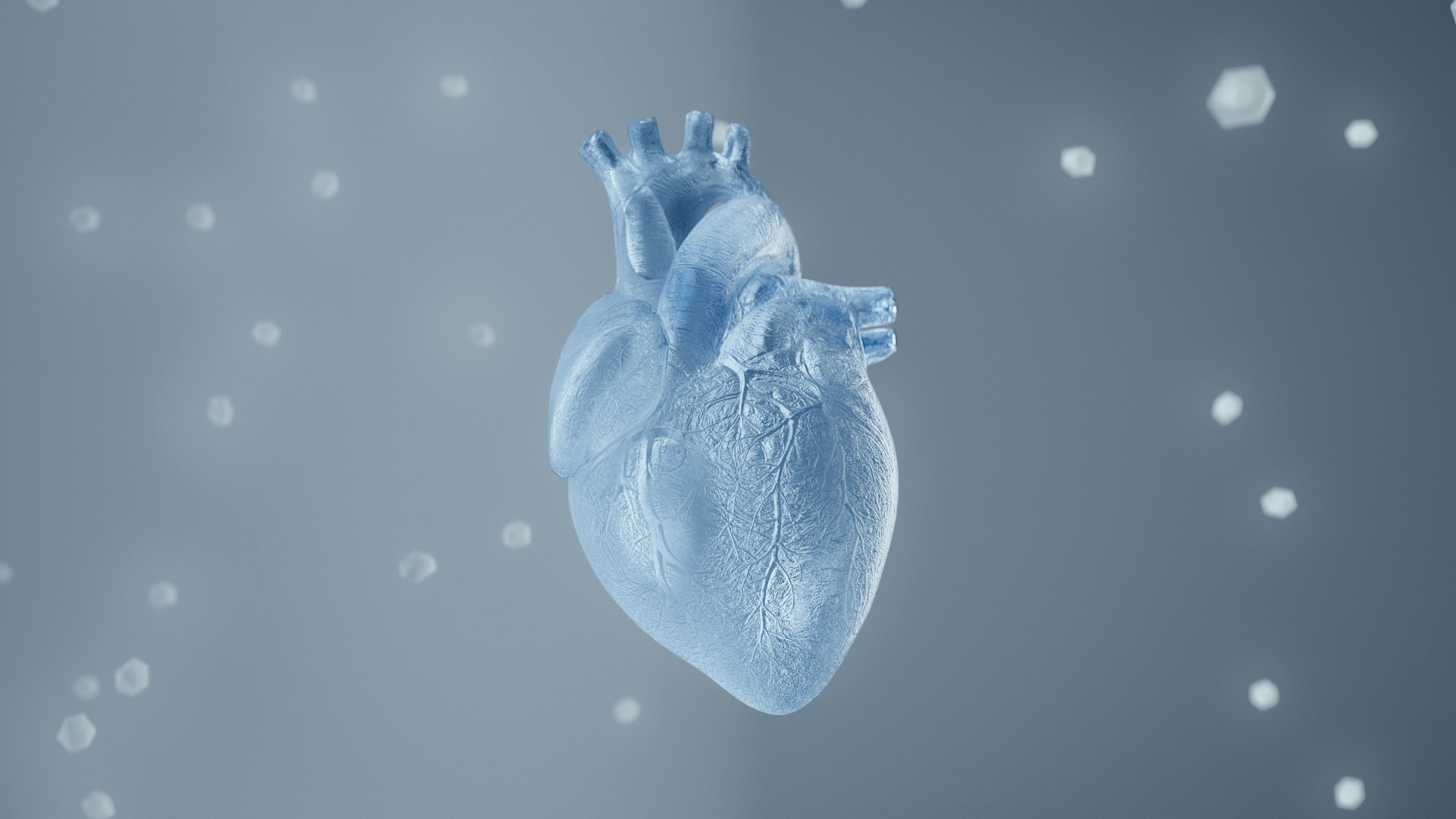
Cardiology has seen remarkable advancements over the past few decades, particularly when it comes to diagnostic tools. As heart diseases remain a leading cause of death worldwide, early and accurate detection is crucial. Today, technologies like echocardiograms and cardiac MRIs are revolutionizing the way healthcare providers assess and diagnose cardiovascular conditions. These tools have not only improved diagnostic accuracy but have also enhanced patient outcomes by enabling early intervention. Let’s dive into how these modern heart imaging tools work and why they’re essential in cardiology.
The Evolution of Cardiology Diagnostics
Historically, diagnosing heart conditions was based on clinical examination and rudimentary imaging methods, such as basic X-rays and physical exams. These older diagnostic methods had their limitations, often making it difficult to detect heart diseases in their early stages. As medical technology advanced, so did the ability to visualize and understand the complex structure and function of the heart. With the advent of advanced imaging tools like echocardiograms and cardiac MRIs, cardiologists can now obtain a detailed and accurate picture of a patient’s heart, leading to better diagnoses and treatment plans.
Today’s heart imaging technologies provide critical insights into heart health, offering a better understanding of diseases such as heart failure, valve problems, and coronary artery disease. These tools help healthcare providers detect abnormalities in the heart’s structure, function, and blood flow, often before symptoms appear.
Echocardiograms: A Comprehensive View of the Heart’s Function
Echocardiography is one of the most common and effective tools used in cardiology. An echocardiogram, or echo, employs high-frequency sound waves to create images of the heart in real-time. This non-invasive procedure gives doctors a clear view of the heart’s structure and functionality, including the chambers, valves, and blood flow.
The procedure begins with a technician applying a gel to the patient’s chest and using a device called a transducer to capture sound waves. These waves are then reflected off the heart’s structures and converted into images, providing an accurate assessment of how the heart is functioning. Cardiologists use these images to evaluate the heart’s size, detect valve problems, check for blood clots, and assess overall heart health.
Echocardiograms are particularly useful in diagnosing conditions like heart failure, atrial septal defects, and valvular diseases. Its real-time imaging capability allows cardiologists to immediately evaluate the condition of the heart and make rapid decisions about further tests or treatments.
Cardiac MRIs: The Pinnacle of Heart Imaging
While echocardiograms are effective for many heart conditions, some complex cases require more detailed and sophisticated imaging. This is where cardiac MRIs come into play. A cardiac MRI is an advanced imaging technique that uses a strong magnetic field, radio waves, and a computer to generate highly detailed images of the heart and its surrounding blood vessels.
Cardiac MRIs are known for their incredible resolution, which allows cardiologists to visualize the heart’s internal structures with extraordinary clarity. Unlike echocardiograms, which rely on sound waves, MRIs utilize magnets to create detailed images. The magnetic field interacts with the body’s hydrogen atoms, and as they align with the field, they emit signals that are captured and processed by the MRI scanner.
One of the key benefits of cardiac MRI is its ability to provide exceptional image quality without the use of ionizing radiation. This makes cardiac MRI a safe and effective option for patients who require frequent imaging. Moreover, it is invaluable in diagnosing conditions that are difficult to assess through other methods, such as myocardial infarction (heart attack), myocardial viability, and complex congenital heart defects.
Combining Echocardiograms and Cardiac MRIs for Optimal Diagnosis
Both echocardiograms and cardiac MRIs have specific strengths, and in many cases, they complement each other perfectly. While an echocardiogram can provide real-time information about the heart’s structure and function, a cardiac MRI can offer in-depth details that are crucial for diagnosing more complicated conditions.
Together, these tools offer a comprehensive approach to heart diagnostics. By allowing cardiologists to explore both the functional and structural aspects of the heart, they are able to make more accurate diagnoses and create more effective treatment plans. This combined approach ultimately leads to better outcomes for patients, especially those with complex heart conditions.
The Future of Heart Imaging
The future of cardiology is undoubtedly intertwined with ongoing advancements in heart imaging technologies. As the demand for more precise and non-invasive diagnostic tools grows, innovations in both echocardiography and MRI techniques will continue to improve. For instance, the integration of artificial intelligence (AI) in heart imaging is already showing promise. AI algorithms can assist in analyzing images, detecting abnormalities, and even predicting future heart disease risks based on a patient’s medical history and imaging data.
Additionally, hybrid imaging technologies are on the horizon, allowing for even more comprehensive heart assessments. These hybrid tools combine the strengths of multiple imaging techniques, offering cardiologists a better understanding of the heart’s health. The development of portable imaging devices may also make it easier for healthcare providers to conduct heart assessments outside of traditional clinical settings, bringing diagnostic capabilities to patients in remote or underserved areas.
A New Era in Cardiology
The advancements in modern diagnostic tools like echocardiograms and cardiac MRIs have transformed cardiology, providing doctors with unprecedented insights into heart health. These tools allow for the early detection of heart disease, which is critical for improving treatment outcomes and preventing life-threatening complications. With the continued evolution of heart imaging technology, cardiologists will have even greater capabilities to diagnose and treat heart conditions more effectively.
As heart disease remains a leading health concern globally, it is essential to utilize these cutting-edge diagnostic tools to ensure that patients receive the best possible care. With echocardiograms and cardiac MRIs at the forefront of heart diagnostics, we can look forward to a future where heart disease is caught earlier, treated more efficiently, and ultimately prevented more effectively.
Additional Information
- Blogs
- Nishi Patel