Revolutionizing Cardiology: Stem Cell Therapy and Regenerative Advances for Heart Health
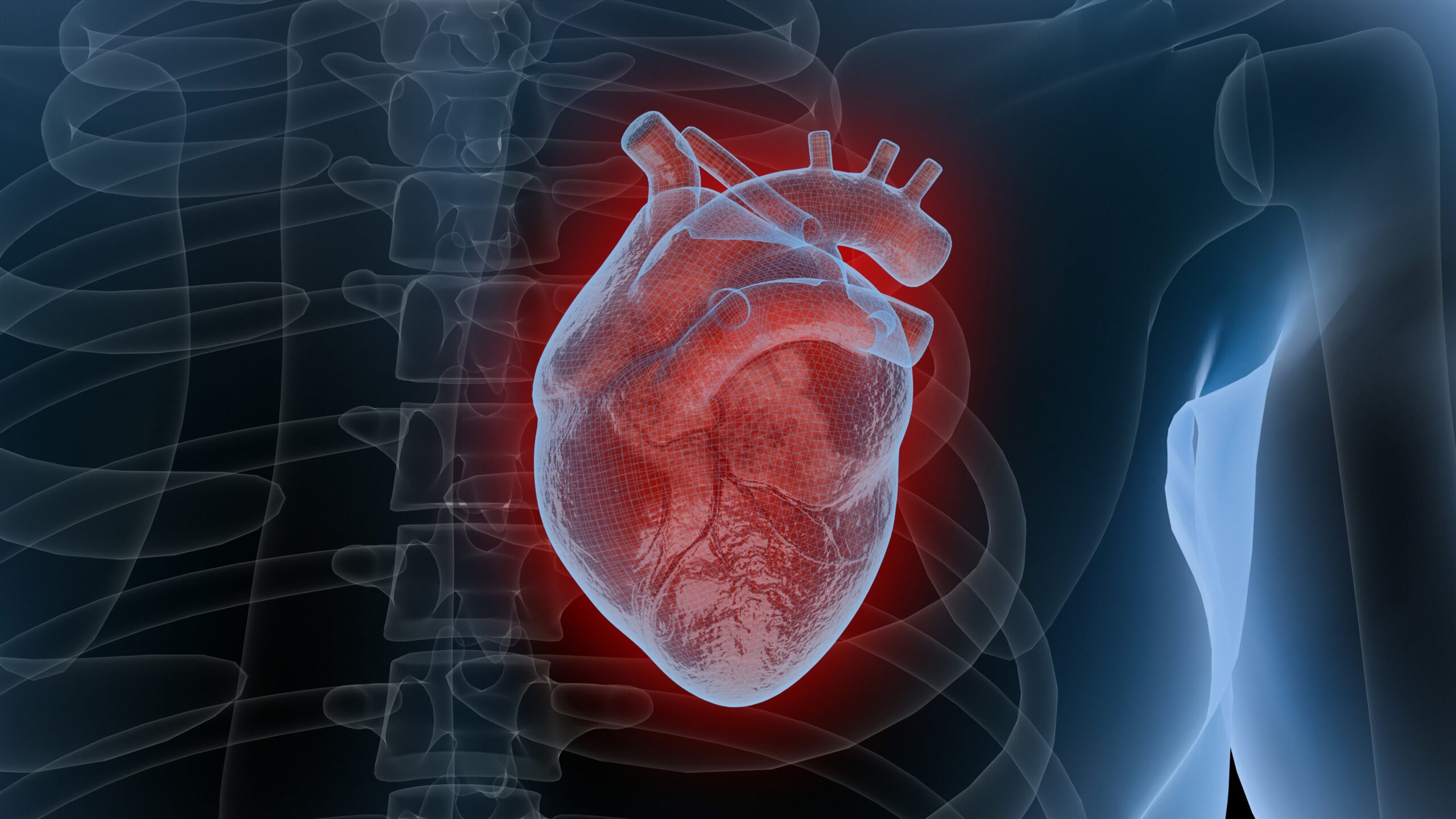
Cardiology has entered a bold and innovative era. With heart disease still claiming millions of lives every year, traditional medical approaches often fall short of reversing the damage caused by cardiovascular conditions. However, the rise of regenerative medicine and stem cell therapy for heart disease is shifting the conversation from treatment to healing. These advances are creating new possibilities for patients and giving cardiologists more powerful tools than ever before.
Regenerative medicine in cardiology focuses on repairing and regenerating damaged heart tissue, rather than just managing symptoms. This shift is monumental. It means cardiology can offer patients longer-lasting, more comprehensive care. As research deepens and therapies evolve, stem cell-based solutions are bringing fresh hope to those living with chronic heart conditions.
How Stem Cells Heal the Heart
Stem cells have the remarkable ability to transform into different cell types and self-renew. In cardiology, scientists are using them to repair damaged heart muscle, restore function, and stimulate the growth of new blood vessels. These cells can be harvested from bone marrow or fat tissue, or reprogrammed from a patient’s own skin cells. Their flexibility makes them ideal candidates for regenerative cardiology applications.
When introduced into the heart, stem cells respond to injury signals, migrate to damaged areas, and promote repair. This process not only strengthens the heart’s pumping ability but also reduces scar formation and inflammation. For cardiology patients who have suffered heart attacks or heart failure, this therapy represents a promising alternative to surgeries and lifelong medications.
Regenerative Medicine: A Cardiology Game-Changer
The integration of regenerative medicine into cardiology is transforming how doctors treat both acute and chronic heart conditions. Unlike conventional interventions, which mainly stabilize or delay disease progression, regenerative medicine aims to restore lost heart function. This is particularly impactful in treating conditions like myocardial infarction or cardiomyopathy, where tissue damage is often irreversible using standard methods.
In practice, cardiac stem cell therapy has already shown measurable benefits in early clinical trials. Patients treated with stem cells after heart attacks have experienced improved heart performance, reduced hospital visits, and enhanced quality of life. These outcomes are driving a new wave of interest and investment in cardiology research, especially in regenerative therapies.
Advancements in Clinical Trials and Research
Clinical research plays a central role in validating the use of stem cell therapy for heart disease. Studies like the BAMI trial and CHART-1 have provided insights into the safety, feasibility, and potential effectiveness of these therapies. Although some outcomes have been mixed, others show meaningful improvement in cardiac function and patient well-being, confirming the promise of this evolving field.
Researchers continue to refine stem cell delivery methods, dosages, and cell types to achieve more consistent results. Some strategies now include using supportive biomaterials or combining cell therapy with gene editing. In cardiology, these breakthroughs are helping to create more personalized and powerful treatment options tailored to each patient’s needs.
Personalized Cardiology Through Genetic Innovation
Personalized medicine is becoming a cornerstone of modern cardiology. Using genetic profiles, doctors can now match the right therapy to each individual, improving success rates and minimizing complications. Induced pluripotent stem cells, derived from a patient’s own tissues, have become an ideal tool for this personalized approach, reducing the risk of immune rejection while enhancing therapeutic compatibility.
In addition to stem cell customization, gene editing tools such as CRISPR are being used to enhance the effectiveness of regenerative treatments. By modifying stem cells before implantation, researchers can improve their survival and regenerative capacity. These technologies are not only revolutionizing how cardiology addresses heart disease but also laying the foundation for future cures.
Overcoming the Challenges
Despite its promise, stem cell therapy for heart disease still faces significant challenges. These include regulatory hurdles, high costs, complex manufacturing processes, and ethical considerations related to stem cell sourcing. Furthermore, ensuring the long-term safety and efficacy of these therapies remains a top priority within the cardiology community.
Nevertheless, ongoing research and technological advancements are gradually overcoming these obstacles. As understanding deepens and more data emerge, cardiology is steadily moving toward a future in which regenerative therapies are a standard part of care for heart patients worldwide.
Tech Integration in Regenerative Cardiology
Technology plays a vital role in advancing regenerative medicine within cardiology. Artificial intelligence is helping researchers analyze large datasets, identify ideal treatment pathways, and predict patient outcomes with greater accuracy. These insights lead to better patient selection and improved therapy design.
Biotechnology firms are also creating advanced scaffolds and delivery systems that enhance the viability and integration of stem cells in the heart. These innovations increase the therapy’s effectiveness and reduce risks. With technology fueling progress, cardiology is seeing faster, safer, and more scalable regenerative treatment options than ever before.
A Look Ahead: The Future of Heart Disease Treatment
The future of heart disease treatment lies in regenerative cardiology. As stem cell therapies mature, they are expected to complement or even replace some of today’s most common treatments. This transformation will reduce the need for invasive procedures, shorten hospital stays, and improve outcomes for millions of patients.
In the coming years, we can expect broader access to regenerative treatments, expanded clinical applications, and the use of stem cells in holistic cardiology care. This evolution represents a significant leap forward in how doctors approach cardiovascular health and longevity.