Understanding Cardiac Catheterization and Angiography for Better Heart Care
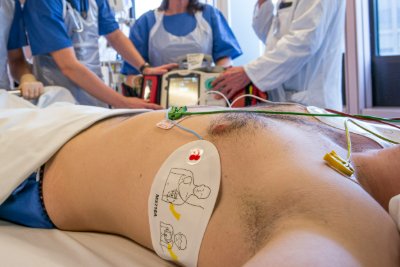
Modern cardiology offers several ways to examine the heart and identify cardiovascular problems. Doctors often begin with noninvasive tests, such as electrocardiograms, echocardiograms, and CT scans. However, these examinations cannot always provide enough information to explain a patient’s symptoms or guide treatment. In certain situations, cardiac catheterization and angiography offer a more detailed view of the heart and its blood vessels.
These procedures also help cardiologists investigate serious cardiovascular conditions and determine whether additional treatment is necessary. Although they involve inserting a thin tube into a blood vessel, medical professionals use established techniques and safety precautions. Understanding when invasive evaluation becomes necessary can help patients prepare for testing, recognize potential risks, and make informed decisions about their cardiovascular health.
Understanding Cardiac Catheterization and Its Purpose
Cardiac catheterization is a medical procedure that allows cardiologists to examine the heart through a thin, flexible tube called a catheter. During the procedure, a physician inserts the catheter into a blood vessel, usually through the wrist or groin. The physician then guides it toward the heart using specialized imaging equipment. As a result, doctors can collect detailed information about circulation, blood pressure, and certain cardiovascular structures.
Cardiac catheterization can also serve both diagnostic and treatment purposes. Doctors may use it to measure pressure inside heart chambers, examine coronary arteries, or evaluate specific heart valve problems. In some situations, physicians can also treat narrowed coronary arteries during the same session. Therefore, catheterization provides valuable information when other examinations cannot fully answer important clinical questions.
How Coronary Angiography Helps Identify Blocked Arteries
Coronary angiography is a specialized examination that doctors commonly perform during cardiac catheterization. It uses contrast dye and X-ray imaging to reveal the coronary arteries, which supply oxygen-rich blood to the heart muscle. During the examination, the cardiologist injects contrast material through the catheter while recording images. As a result, physicians can identify narrowing, blockages, and other abnormalities in the coronary circulation.
Moreover, coronary angiography helps doctors determine the location and severity of coronary artery disease. This information may influence whether a patient needs medication, angioplasty, bypass surgery, or another treatment strategy. However, not every narrowing requires an invasive intervention. Therefore, cardiologists evaluate the angiography findings alongside symptoms, clinical history, and other diagnostic information before recommending treatment.
When Chest Pain Requires Invasive Heart Evaluation
Chest pain is a common reason patients seek cardiovascular assessment. However, many conditions can cause chest discomfort, including problems unrelated to coronary artery disease. Doctors usually begin by reviewing symptoms, medical history, physical findings, and initial test results. In patients with stable symptoms, noninvasive testing often provides sufficient information. Therefore, cardiac catheterization is not automatically necessary for every person who experiences chest pain.
Nevertheless, invasive coronary angiography may become appropriate when doctors suspect a serious coronary blockage or identify high-risk findings. Patients who continue to experience significant symptoms despite appropriate medical treatment may also need further evaluation. Additionally, certain emergencies demand a faster approach. Consequently, physicians consider symptom urgency and the likelihood of significant coronary disease before choosing invasive testing.
The Role of Angiography During a Heart Attack
A heart attack occurs when blood flow to part of the heart muscle becomes severely reduced or blocked. In certain types of heart attack, especially those involving a major acute coronary blockage, emergency coronary angiography can help doctors locate the affected artery. As a result, physicians can quickly identify the problem and determine whether immediate treatment can restore blood flow.
Furthermore, cardiologists can sometimes perform a procedure called percutaneous coronary intervention during the same catheterization. This treatment often involves inflating a small balloon and placing a stent to keep the affected artery open. However, the timing and type of intervention depend on the heart attack, clinical stability, and other medical factors. Therefore, rapid professional assessment remains essential when someone experiences symptoms that suggest a heart attack.
Evaluating Heart Valve Problems With Catheterization
Heart valves regulate blood flow through the heart and help maintain efficient circulation. When a valve becomes narrowed or fails to close properly, patients may develop breathlessness, fatigue, or other cardiovascular symptoms. Doctors usually evaluate these problems through echocardiography and other imaging examinations. However, catheterization may provide additional information when noninvasive results remain unclear or conflict with clinical findings.
Additionally, catheterization can measure pressures within different areas of the heart and help assess certain circulation problems. These measurements may support treatment planning for selected patients with significant valve disease. Nevertheless, doctors do not routinely require invasive catheterization for every valve disorder. Therefore, specialists consider the expected diagnostic benefit before recommending the procedure.
Using Right Heart Catheterization to Assess Circulation
Right heart catheterization measures pressures in the right side of the heart and the blood vessels supplying the lungs. During the examination, a cardiologist guides a specialized catheter through a vein toward the heart and pulmonary arteries. The procedure can measure important circulation characteristics, including pressures and cardiac output. As a result, it provides valuable information about how effectively the heart pumps blood through the body.
Moreover, doctors may recommend right heart catheterization when evaluating certain patients with pulmonary hypertension, complex heart failure, or unclear circulation problems. The findings can help specialists determine disease severity and guide selected treatments. However, invasive measurements are not necessary for every patient with suspected cardiovascular disease. Therefore, cardiologists use this examination when the results are likely to influence diagnosis or clinical management.
Additional Information
- Blogs
- cardiac catheterization, cardiovascular disease
- Nishi Patel